Skip to content Request a project consultation

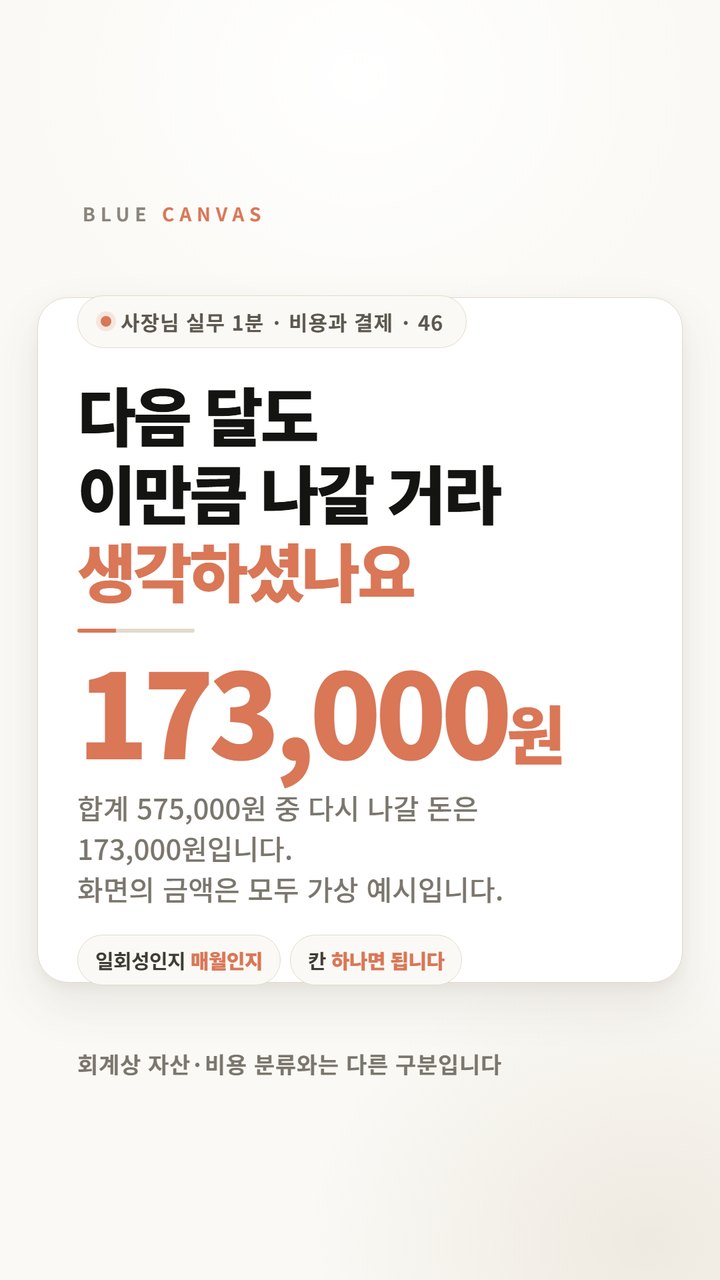
1 minute of practical work for the boss · 008 cost management estimate print

Printing estimates are based on the total cost per copy.

About 3 minutes to read BlueCanvas

How do I determine which of two print quotes is cheaper?

It is not the unit price, but the total cost including shipping and post-processing costs divided by the quantity. Before that, make sure that the quantity, paper, printing surface, post-processing, VAT indication, and delivery date are the same, and leave any unknown values ​​as 0 and requiring confirmation.

Key takeaways

  • The largest number on the quote is printing unit priceAnd the shipping cost is written in small print at the bottom.
  • When you add the shipping cost, the order changes. The one with the cheaper unit price More expensive in total payment This is often the case.
  • After meeting the conditions first, Divide the total amount by the quantity Compare the cost per copy. Unknown values ​​are left as “confirmation required” instead of 0.

I lean towards the one with the lowest unit price first.

When you place two printed quotes side by side, the first number you see is the unit price. At 100 won and 110 won per copy, there is a 5,000 won difference in 500 copies, so naturally, people tend to go for the cheaper version.

The order changes on the payment screen

However, the actual amount to be paid is different. This is because the shipping fee of 10,000 won was written in small letters at the bottom of A's quote.

itemA quoteB quote
printing cost50,000 won55,000 won
delivery fee+ 10,000 woninclude
payment total60,000 won55,000 won

The unit price is only a fraction of the total price. The money you spend when paying is total amountno see.

Set conditions before comparing

If you directly compare the total amount, it will be wrong again. This is because if the conditions are different, it is not the same product even if the total amount is the same. Comparison is valid only when the information below is the same.

  • quantity
  • Paper type and thickness
  • Print side (single-sided/double-sided)
  • Whether post-processing is included
  • Standard for displaying VAT (included/separate)
  • Delivery date

In the hypothetical example, the quantity, paper, and printing surface were the same, but the VAT indication and delivery date were different. Until these two lines are matched, the total cannot be compared.

Divide the total amount by the quantity

After meeting the conditions, divide the total amount by the quantity you will actually receive. A is 60,000 ÷ 500, which costs 120 won per copy, and B is 55,000 ÷ 500, which costs 110 won per copy. The order is reversed compared to when looking only at the unit price.

Do not fill unknown values ​​with 0

If you write 0 without knowing the post-processing cost, the estimate will automatically look cheap. If you leave it as “Confirmation required,” that field will become a question.

And I'm not saying you should choose the cheaper option. Delivery times of 3 and 6 days are different for different products. If the total amount is similar, you can choose the delivery date and post-processing.

Today I guess only two

You can match the two quotations you received with the same quantity and specifications. I did not include the name of a specific printing company or rate list.

Full video subtitles (6 scenes)

The unit price is cheaper, but why is the total price higher?

The shipping cost written in small print at the bottom of the quote changes the order of the two quotes.

Two quotes side by side

A is 100 won per copy, and B is 110 won, so there is a 5,000 won difference in 500 copies.

Overturned in payment total

If A's shipping cost of 10,000 won is added, the total amount becomes 60,000 won and 55,000 won.

Let's start with the conditions

Match the quantity, paper, and printing side, and place the VAT indication and delivery date on the same line.

Divide the total amount by the quantity

The cost per copy is 120 won and 110 won, so the ranking changes from when looking only at the unit price.

You need to check any fields you don’t know.

If you fill it with 0, the quote will automatically look cheap, so leave it blank and ask.

Frequently Asked Questions

Why can't we just compare unit prices?

This is because the unit price is one of several lines written on the quotation. In quotes that separately charge shipping or post-processing costs, the total payment amount may be higher even if the unit price is low. In a hypothetical example, A's unit price is 100 won per copy, but a shipping fee of 10,000 won is added, for a total of 60,000 won, and B's unit price is 110 won, but it costs 55,000 won including shipping.

Can I compare the total amount immediately?

You must meet the conditions first. If the quantity, paper, printing surface, and finishing processing are different, they are different products even if the total price is the same. If you compare the estimate that includes the VAT separately and the estimate that includes the VAT, one side may appear to be close to 10% cheaper. It is safer to look at the total after aligning the lines.

How do I find the cost per copy?

Divide the total amount that meets the conditions by the quantity you will actually receive. In our hypothetical example, 60,000 ÷ 500 = 120 won and 55,000 ÷ 500 = 110 won. This is especially useful when comparing quotes with different quantities. This is because the total amount alone does not tell which side has the advantage.

How do you write down things you don't know yet?

Please leave “Confirmation required” instead of 0. If you write down the unknown value as 0, the estimate will automatically look cheap, and it will be revealed later on your invoice. If you leave it blank, you will still have questions to ask the company. It is a good idea to write down terms other than amounts, such as delivery dates, in the same table.

Quotations can only be compared if the included range is visible.

BlueCanvas cost estimate leaves the included items open for each service as is. You can first check what is included and what is conditional.

Try a cost estimate

Other short form insights

See all short form insights→